Becoming a Writer-Editor
How can someone effectively combine writing and editing skills to make a good living? By establishing what I call a “hyphenated career”: becoming a writer-editor!
Combine Writing and Editing Skills
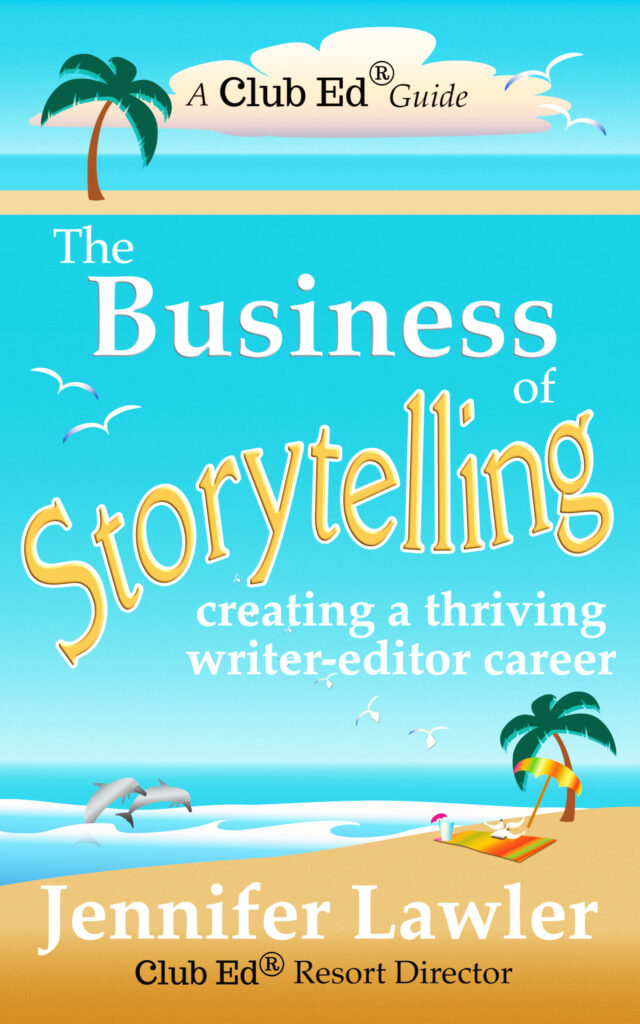
In my book The Business of Storytelling, I talk about how to create a writer-editor career, where you use what you learn as a writer to reinforce the editing side of your career and vice versa.
For those of us who enjoy taking on a variety of projects in our work, a hyphenated career can be a source of fulfillment and growth (both personal and career-related). I’ve always said I’m a better editor because I’m a writer, and I’m a better writer because I’m an editor.
The other day, a reader contacted me and said she was a different kind of hyphen: a bookseller-writer. I loved that! Her deep understanding of what readers enjoy reading makes her a better writer, and her understanding of writing and literature makes her a better bookseller.
A friend of mine is a great beta reader/big-picture editor because she’s also a visual artist (“Even painters info-dump,” she says.) I love the idea of there being all kinds of hyphenated careers possible for writers and editors.
In the end, it’s the interplay between your skills that can help you earn more money both as a writer and as an editor.
Tips for Editors & Writers
-
Minimum Viable Tasks
If I want to give myself a break, normally I will take Friday afternoon off. But recently I took a Monday afternoon off and I loved it. I’m always very busy on Mondays but it occurred to me that I could reduce the stress of that day if I just focused on the main things…
-
The Power of Friction
Freelance editors typically want to get as many potential clients into their net as possible, in the hopes that this will result in a consistent income stream. I understand this, but it’s a great way to waste your time weeding out the people who will never turn into good clients, including those who aren’t the…
-
Beta Reading as Training for Developmental Editing
Many self-publishing authors look for beta readers to give them perspective on their novels before they go to a professional editor for further help. An author doesn’t need a developmental editor to say the whole storyline is implausible and they yawned from beginning to end. Any reader of fiction can probably relay that information. Doing…